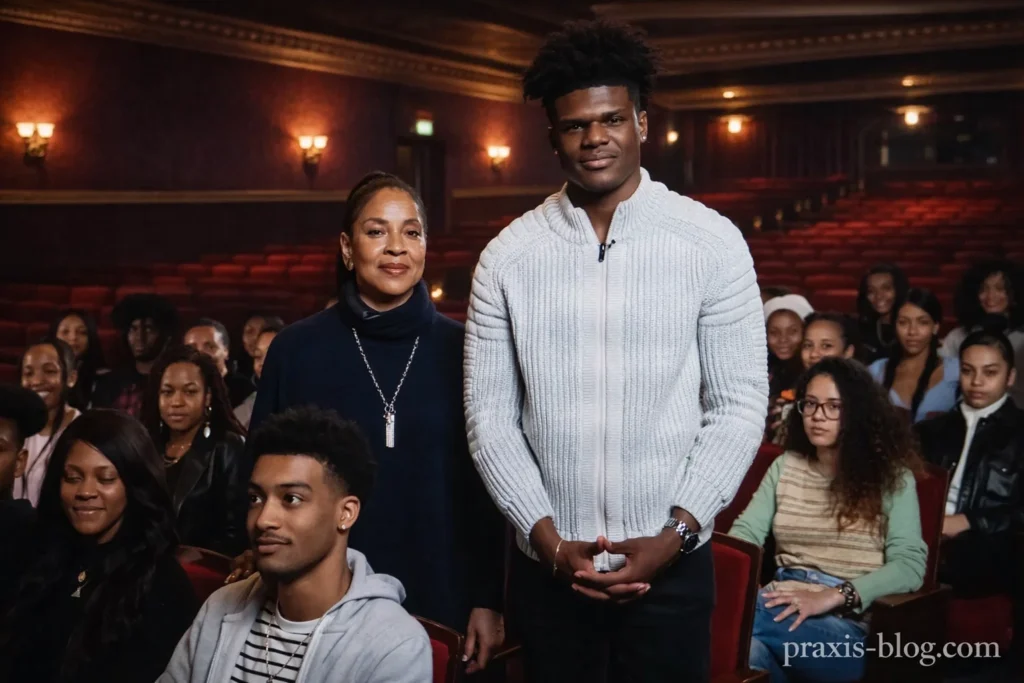
Interest in the keyword “John Woods III disability” has grown significantly across search engines and online discussions. Many readers search for information about public figures and their personal challenges, especially when those challenges relate to disability, resilience, or health conditions. In recent years, online searches have increasingly focused on personal stories of overcoming obstacles, which has contributed to curiosity around individuals whose names appear in various contexts.
However, when discussing disability particularly in relation to a specific individual it is essential to rely on verified public information. Disability is a sensitive subject, and speculation or unverified claims can lead to misinformation. That is why responsible content must focus on documented facts and publicly available details rather than assumptions.
The topic of John Woods III disability appears to stem from scattered references and keyword searches rather than confirmed reports. While multiple individuals share the name John Woods or John Woods III, there is no widely documented, verified record confirming that a public figure specifically known as John Woods III has a publicly disclosed disability. This makes it necessary to approach the subject carefully and thoughtfully.
In this article, you will find a detailed exploration of available public information, the importance of verifying disability-related claims, how similar searches arise online, and the broader discussion of disability awareness. Rather than repeating unverified rumors, this article focuses on context, responsibility, and accurate reporting.
Who Is John Woods III? Understanding the Identity Confusion
The name John Woods III is not unique. In fact, many individuals across different professions share similar names. This can create confusion when people search online for specific information. Some individuals named John Woods have appeared in public records, professional directories, sports contexts, or entertainment industries, but these references do not necessarily relate to the same person.
Identity confusion is one of the main reasons why disability-related searches sometimes appear without credible sources. When several people share the same name, stories about one person can mistakenly be attributed to another.
For example, in online databases and media sources, you may find references to:
- Professionals with the name John Woods
- Individuals appearing in entertainment credits
- Athletes or military veterans with similar names
- Private individuals mentioned in local news reports
These references are separate and unrelated in most cases. Without clear documentation connecting them, assuming they refer to the same individual can lead to inaccurate conclusions.
Understanding this identity confusion is critical because it explains why searches like “john woods iii disability” may exist even without verified supporting details.
Public Information About John Woods III and Disability Claims
One of the most important aspects of responsible research is determining whether credible sources exist. Verified sources typically include:
- Official interviews
- Published biographies
- Medical disclosures made publicly
- News reports from reliable media organizations
- Statements from the individual or their representatives
At present, no widely recognized public record confirms that a person specifically known as John Woods III has publicly disclosed a disability. This does not mean that a disability does not exist it simply means that there is no reliable public confirmation.
Many online searches are driven by curiosity, speculation, or misunderstandings. Sometimes, a person may appear in discussions about injury, health, or recovery, leading to assumptions about disability status.
It is also possible that:
- The individual is a private citizen
- The information is confidential
- The search trend is based on mistaken identity
- The topic originated from social media rumors
Because disability is a deeply personal matter, it is not always publicly shared, and when it is shared, it should be documented clearly.
Why Disability Information Requires Responsible Reporting
Disability is more than a label it represents a lived experience that often includes medical, emotional, and social dimensions. Reporting disability-related information requires sensitivity, accuracy, and respect. There are several reasons why responsible reporting is essential:
First, inaccurate information can harm individuals. When rumors circulate about someone’s health or disability, it can affect their privacy and reputation. Even well-intentioned curiosity can lead to misinformation if facts are not verified.
Second, disability is protected under privacy laws in many regions. Medical information is generally considered confidential unless the individual chooses to disclose it publicly.
Third, responsible reporting supports disability advocacy. Accurate stories about disability help create awareness, empathy, and understanding, while inaccurate claims undermine trust.
In the case of John Woods III disability, the absence of verified information highlights the importance of avoiding speculation and focusing instead on responsible research.
How Online Keyword Trends Create Misleading Searches
Search engine trends often reveal popular keywords that do not necessarily reflect reality. This happens for several reasons:
Sometimes, a single mention of a name and injury can spread across social media platforms. Once a topic becomes searchable, people begin typing related phrases, such as:
- “john woods iii accident”
- “john woods iii illness”
- “john woods iii wheelchair”
- “john woods iii health condition”
These searches may appear frequently even when there is no verified story behind them.
Algorithm-driven suggestions can also contribute to confusion. When a search term gains traction, related suggestions automatically appear, leading users to assume that the topic has credible backing. Over time, these search patterns create the illusion of established information, even when the original source is unclear or unreliable.
The Importance of Verifying Disability-Related Claims
Before accepting any claim about disability, it is important to check reliable sources. Verification ensures that information is accurate and respectful.
Trusted verification methods include:
Reviewing official statements or interviews is one of the most reliable ways to confirm information. If an individual has publicly shared details about their disability, those statements are usually documented in reputable publications.
Checking credible news outlets is another important step. Major media organizations typically confirm information before publishing it.
Examining direct quotes from the individual helps eliminate misunderstandings. When people speak openly about their experiences, their words provide clarity and context. Without these sources, claims remain unverified and should be treated cautiously.
Understanding Disability Beyond Individual Cases
While the search for John Woods III disability focuses on a specific name, it also highlights a broader interest in disability awareness. Many readers are drawn to stories of resilience, adaptation, and perseverance.
Disability can take many forms, including:
Physical disabilities that affect movement, mobility, or strength.
Sensory disabilities involving vision or hearing.
Neurological conditions that impact cognitive function.
Chronic illnesses that influence daily activities.
Temporary disabilities resulting from injury or surgery.
Each disability presents unique challenges, but many individuals adapt through determination, support systems, and medical care.
Understanding disability beyond individual names allows readers to appreciate the broader experiences shared by millions of people worldwide.
Privacy and Respect in Disability Discussions
Respecting privacy is one of the most important principles when discussing disability. Even public figures have the right to keep personal medical details confidential.
When discussing disability topics, it is important to:
Avoid making assumptions about health conditions.
Refrain from spreading rumors.
Respect personal boundaries.
Focus on verified information only.
These practices ensure that conversations remain respectful and informative rather than intrusive. In the case of John Woods III, the lack of confirmed information makes privacy considerations especially important.
Common Reasons People Search for Disability Information
There are several reasons why people search for disability-related information about individuals.
Curiosity is one of the most common reasons. When a name appears in media coverage or online discussions, readers often seek more details.
Inspiration is another factor. Many people look for stories of individuals who have overcome challenges, hoping to find motivation and encouragement.
Awareness also plays a role. Some readers search for disability information to better understand health conditions and advocacy efforts. These motivations are understandable, but they must be balanced with respect for accuracy and privacy.
The Role of Social Media in Spreading Disability Rumors
Social media platforms have dramatically changed how information spreads. A single post can reach thousands of people within minutes.
While social media can raise awareness about disability issues, it can also spread misinformation. Unverified posts often circulate without context, leading to confusion.
Some common causes of misinformation include:
Sharing screenshots without source verification.
Repeating hearsay from anonymous accounts.
Misinterpreting jokes or satire as factual information.
Assuming visual evidence without confirmation.
Because of these risks, it is essential to verify disability-related claims before accepting them as true.
How Disability Awareness Has Evolved in Recent Years
Over the past decade, disability awareness has improved significantly. More people now recognize the importance of accessibility, inclusion, and representation.
Educational programs have helped increase understanding of disability rights. Public discussions about accessibility have encouraged organizations to improve infrastructure and services.
Technological advancements have also played a major role. Assistive devices, mobility aids, and adaptive technologies have expanded opportunities for individuals with disabilities.
These developments reflect a growing commitment to inclusion and equal access.
Recognizing the Strength and Resilience of People With Disabilities
Although the search for John Woods III disability may not currently yield verified personal details, the topic itself highlights a universal theme resilience.
Many individuals with disabilities demonstrate remarkable determination. They adapt to challenges, develop new skills, and pursue goals despite obstacles.
Resilience often involves:
Learning new ways to perform daily tasks.
Building supportive relationships.
Accessing specialized resources.
Maintaining a positive outlook despite difficulties.
These qualities inspire others and contribute to a more inclusive society.
Why Accurate Biographical Information Matters
Biographical content is widely consumed online, making accuracy essential. Incorrect details can spread quickly, especially when repeated across multiple websites.
Accurate biographies rely on:
Confirmed personal details.
Verified achievements.
Reliable timelines.
Authentic sources.
When discussing disability within biographies, accuracy becomes even more critical due to the sensitive nature of health information.
Read More: John Woods III Disability: Facts, Public Information, and What Is Actually Known
Conclusion
The keyword “John Woods III disability” reflects curiosity, but current publicly available information does not confirm a documented disability associated with a widely recognized individual by that name.
This does not diminish the importance of disability awareness or the value of personal stories. Instead, it emphasizes the need for responsible research and respectful discussion. When exploring topics related to disability, accuracy must remain the highest priority. Verified facts, credible sources, and thoughtful communication help create meaningful and trustworthy content.
Until reliable documentation becomes available, discussions about John Woods III disability should focus on awareness, context, and responsible reporting rather than speculation. In the broader sense, disability awareness remains a vital part of modern society. By learning from real stories, supporting inclusive practices, and respecting privacy, we contribute to a culture of understanding and empathy.